Why is bear-detecting radar needed?
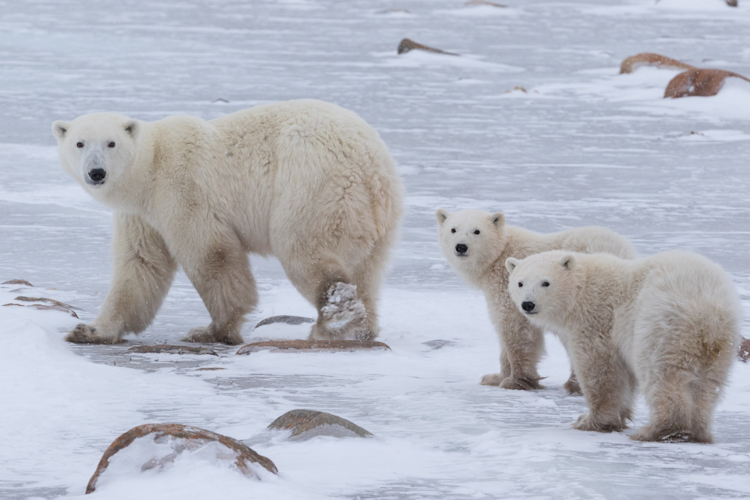
Due to climate change-driven sea ice loss, polar bears are forced to spend more time on land, leading to potential encounters with people. To keep both polar bears and people safe, Polar Bears International collaborates with communities on a range of essential coexistence solutions, from Bear-dar to educational programs and non-lethal deterrents.
Bear-dar was developed by Polar Bears International in partnership with Spotter Global to detect approaching polar bears regardless of weather conditions or time of day. By alerting communities and remote camps, Bear-dar eliminates surprise encounters, ensuring the safety of both polar bears and people.
Spotter Global’s Logan Harris, president and founder, notes, "We’re delighted to see “Bear-dar” expanding to Eureka in its first official deployment to the High Arctic region with Polar Bears International.”
What’s next for Bear-dar?
Staff at the weather station will keep monitoring the polar bears, while watching for potential interactions between polar bears, wolves, and other wildlife in the Arctic.
Future Bear-dar installations can be tailored to specific locations or circumstances based on geography, weather, wildlife species and staff activities. What we are learning in Eureka will help Bear-dar be more efficient and effective in other Arctic communities.